
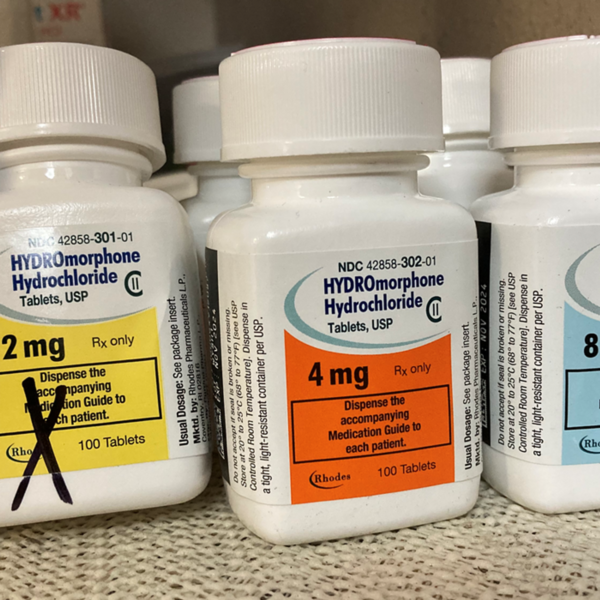

Hydromorphone – Potent Opioid Analgesic for Severe Pain (Rx, Controlled Substance)
Hydromorphone is a high-potency opioid analgesic used for the management of severe pain when other treatments are not effective. It is a semi-synthetic derivative of morphine and acts as a full μ-opioid receptor agonist.
It works by:
- Reducing pain perception in the central nervous system
- Altering the emotional response to pain
- Producing sedation and analgesia
Hydromorphone is significantly more potent than morphine, and is commonly used in hospital settings, post-operative care, and palliative (end-of-life) care.
Key Details
- Active Ingredient: Hydromorphone hydrochloride
- Drug Class: Strong opioid analgesic
- Indications:
- Severe acute pain
- Cancer-related pain
- Post-surgical pain
- Palliative care
- Mechanism of Action: μ-opioid receptor agonist → CNS pain inhibition
- Prescription Status: Strictly controlled prescription medicine
Specifications
- Dosage Forms: Tablets (immediate & extended-release), oral solution, injection
- Common Strengths: Varies (e.g., 2 mg, 4 mg, 8 mg tablets; injectable forms mg/mL)
- Onset of Action:
- Oral: ~30 minutes
- IV: rapid (minutes)
- Duration of Action:
- IR: ~3–4 hours
- ER: longer (varies)
- Half-Life: ~2–3 hours (longer with ER forms)
- Metabolism: Hepatic (glucuronidation)
- Excretion: Renal
- Storage: Controlled secure storage
Dosage & Administration
- Dose is strictly individualized based on pain severity and opioid tolerance
- Administered orally or via injection in clinical settings
- Often used in opioid-tolerant patients
- Requires careful titration and close monitoring
- Use the lowest effective dose for the shortest duration
Compatibility / Suitable Use
- Patients with severe pain requiring strong opioid therapy
- Cancer or palliative care pain management
- Post-operative and trauma-related severe pain
- Use under specialist medical supervision
Warnings & Precautions
- High risk of respiratory depression (life-threatening)
- Significant risk of dependence, tolerance, and misuse
- Can cause profound sedation and impaired alertness
- Dangerous when combined with alcohol, benzodiazepines, or other CNS depressants
- Requires caution in elderly or those with respiratory disease
Contraindications
- Severe respiratory depression
- Acute severe asthma without monitoring
- Paralytic ileus
- Known hypersensitivity to hydromorphone
- Acute intoxication with CNS depressants
Adverse Effects
- Common: Constipation, nausea, vomiting, drowsiness
- CNS: Sedation, confusion
- Cardiovascular: Hypotension
- Serious: Respiratory depression, overdose, dependence
Drug Interactions
- Alcohol: Increased risk of fatal respiratory depression
- Benzodiazepines: Additive sedation and breathing suppression
- Other opioids: Increased toxicity
- CNS depressants: Enhanced sedation
Why Hydromorphone Is Used
Hydromorphone is used for rapid and effective control of severe pain, especially in situations where high-potency opioid therapy is required. It plays a key role in hospital care, surgery recovery, and advanced pain management.